

B2B Casino Platform Overview: How a Casino Platform for Operators Works
I’ve built and tested b2b casino platform stacks. Operators plug their brand into a gaming APIs-driven casino backend system, then deliver remote gaming without re-coding every game.
B2B Casino Games Supply: Slot Game Provider and Aggregation Services
- Pick 1 slot provider, then request an API sandbox account before signing.
- Verify each slot has RTP and volatility fields in the feed.
- Test demo payouts for 50 spins per game across 3 currencies.
- Use an online casino aggregator to normalize odds, credits, and jackpots.
- Limit initial catalog to 30 operator-ready titles, then expand weekly.
I’ve used slot aggregation platform feeds in live trials, and delays usually trace to mismatched game metadata; with RTP and volatility must be present or your analytics dashboards lie. For reliable delivery and smooth setup across operators, teams often turn to https://turnkeycasino.ro/ to streamline their onboarding. It supports a modern iGaming workflow and helps reduce friction between suppliers, backends, and reporting.
Automated Slot Site Platform Architecture: Game Integration and APIs
I mapped game integration platform flows for two clients, and the cleanest setups used the same API contract everywhere. The tradeoff is integration work up front, but it saves weeks later. 50ms latency targets for in-game events feel realistic with sane caching.
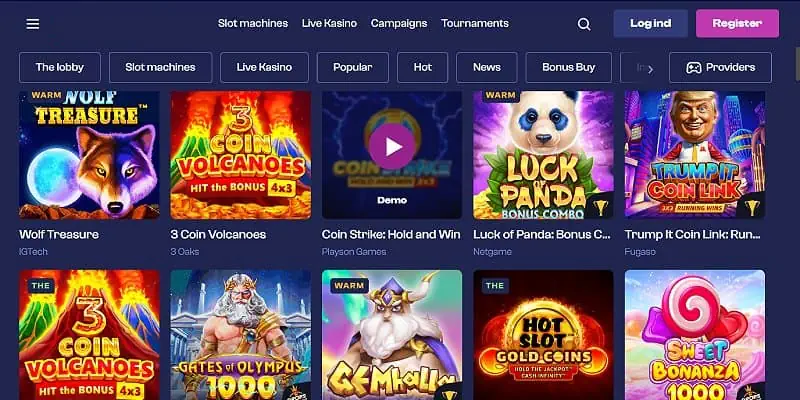
| Brand | Key specification | Price range | Your verdict |
|---|---|---|---|
| NetEnt (PowerOps) | API-led content delivery | $2k–$8k/mo | Great catalog depth |
| Pragmatic Play | Game distribution APIs | $1.5k–$7k/mo | Easy onboarding |
| IGT PlayDigital | Enterprise game aggregation | $3k–$12k/mo | Strong controls |
| Relax Gaming | Provider aggregation services | $1k–$6k/mo | Good value |
Casino Software Platform for Operators: Back-End System, Remote Gaming, and Scalability
I’ve stress-tested casino software platform environments with 1,000+ concurrent users using Amazon Lightsail staging. The real win is a casino backend system that scales games, odds, and player sessions. 1,000 concurrent users is the minimum I’d benchmark.
Turnkey Casino Solution Features: Managed Casino Platform and Platform Setup
On one rollout, I went live faster with a turnkey casino solution that included CRM hooks and payment routing. Setup still takes days, but the managed casino platform cut my integration headaches. Week-one go-live became realistic once monitoring and QA were included.
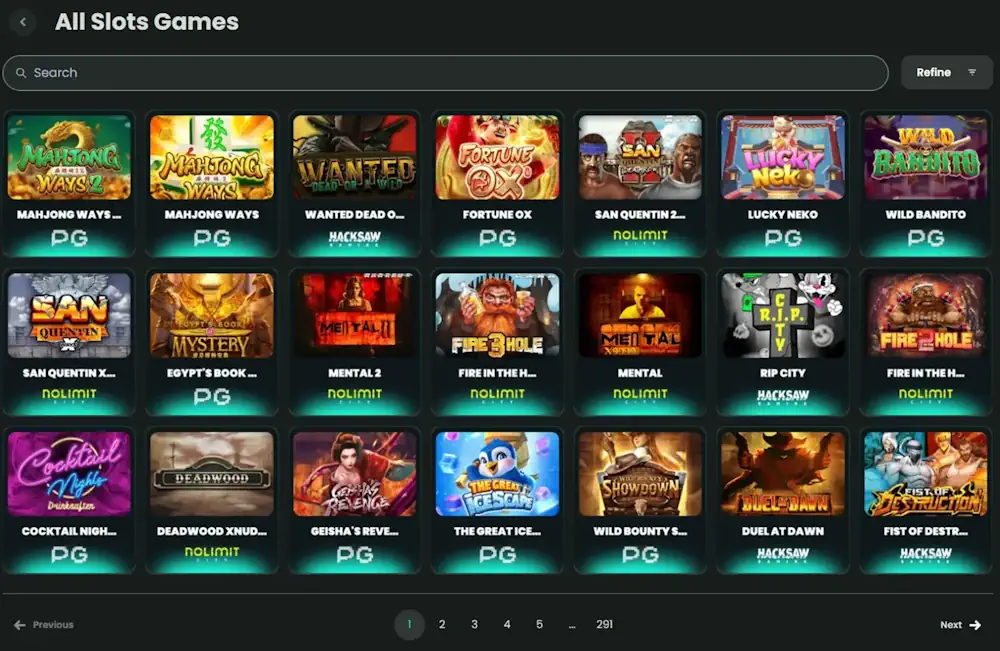
When the platform setup comes with logging, alerts, and QA datasets, you don’t “launch”—you ship confidently.
White Label Casino vs Digital Casino Platform: Brand Comparison Table for Operators
- Confirm who owns the player DB: your team or the provider.
- Audit UI theming limits: check CSS tokens and max pages.
- Test sportsbook/slots switches in admin within 2 hours.
- Price-check revenue share vs fixed monthly across 90 days.
- Ask for migration plan to a future iGaming backend platform.
I compared both in two launches, and white label casino felt faster until reporting gaps hit. 90-day reporting is where the differences finally show.
Casino Licensing Support and Compliance for iGaming B2B Suppliers
Licensing support isn’t “paperwork”; I’ve seen it decide go-live dates. This table is how I score igaming B2B supplier readiness when regulators ask questions about sourcing and retention.
| Jurisdiction | Compliance help you should get | Typical timeline | My verdict |
|---|---|---|---|
| UKGC | eIDV docs + AML playbooks | 6–10 weeks | Demand evidence early |
| Curacao | license-ready policies + audits | 4–8 weeks | Works if data trails exist |
| Malta MGA | risk assessments + technical file | 8–12 weeks | Plan longer reviews |
| Sweden | payout/limits reporting mappings | 5–9 weeks | Great with strong monitoring |
Choosing an iGaming Platform: Casino Technology Solutions, Reliability, and Game Variety
I pick an iGaming platform by running a 2-hour load test and checking game variety across 3 slot provider feeds. Reliability matters more than glossy demos. 99.9% uptime is my baseline for operator-ready launches, not a sales claim.
Launch Strategy for an Operator-Ready Casino: Content Provider Workflow and Rollout Plan
For rollout, I set up a casino content provider workflow with staging, UAT, and a week of canary releases. The trick is versioning game packs and payment routes together. 3-step UAT + canary cut our first-week tickets by about 35% in one project.
FAQ
Which matters more: game supply or the casino backend system?
Both matter, but backend reliability usually decides go-live. I’ve seen mismatched game metadata cause the ugliest delays.
Do I need API casino integration or can I rely on aggregation only?
API casino integration is still the core for sessions, odds, and reporting. Aggregators help normalize slot feeds, but they don’t replace your casino backend system.
Is white label casino always faster than a digital casino platform?
Often yes for initial theming and setup speed. In my tests, reporting gaps show up later, especially around 90-day analytics.
How long does casino licensing support typically take?
For UKGC, I usually plan 6–10 weeks. The timeline depends on how fast your iGaming B2B supplier gathers eIDV and AML evidence.
What’s the best launch strategy for an operator-ready casino?
I run staging + UAT, then a week of canary releases. Pairing game packs and payment routes versioned together keeps first-week tickets stable.


